
Beginner's Guide to Fly Fishing on Small Rivers
Why Small Rivers Suit Beginners
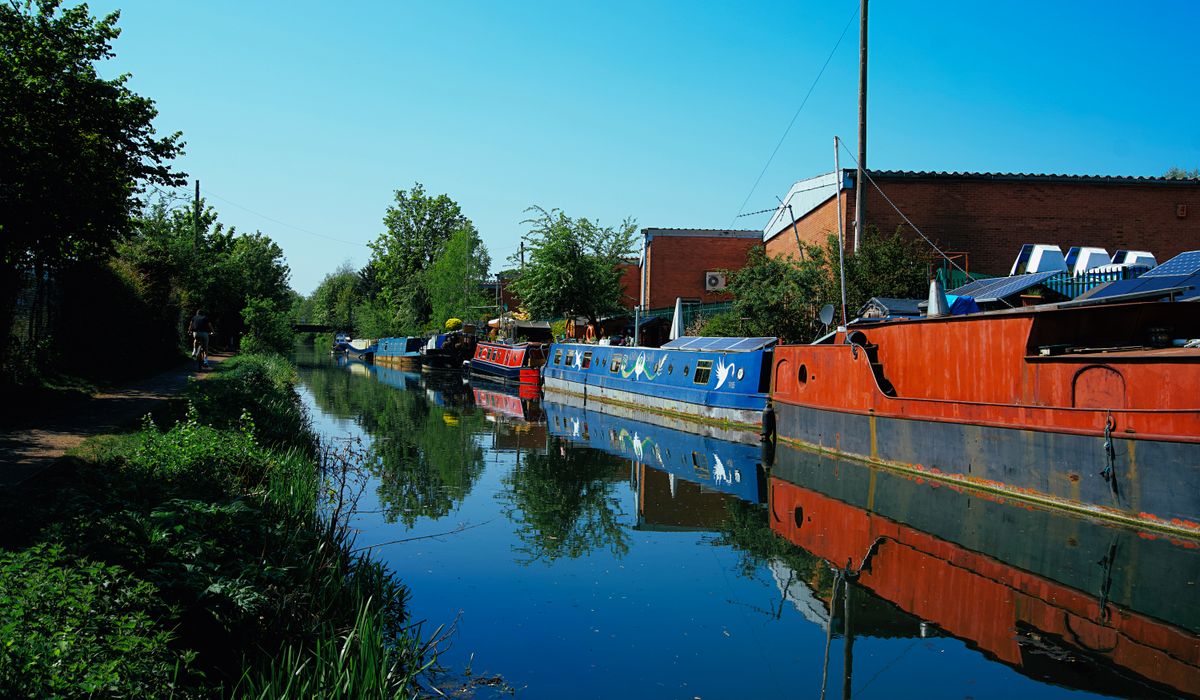
A narrow stream you can wade across in three strides is the finest classroom a fly angler could ask for. On a small river, the fish are close, the water is readable, and most casts are shorter than the length of a garden shed. During the warmer months — roughly May through to September — these streams run low and clear, which makes trout easy to spot and, unfortunately, just as easy to alarm. Learning to work within that constraint will teach you more in a single summer than a decade on a big reservoir. If your home sits beside water like this, your real advantage is frequency: twenty minutes at dusk counts as a proper session, and small rivers within walking distance of the door often see far less pressure than the celebrated beats.
Keep the Tackle Light and Simple
A short, soft rod is your greatest ally. Look for something around seven to eight feet in a three or four weight. Long rods make long casts, and long casts on a stream barely ten metres wide are a liability — they put line over water you never intended to disturb. A light rod also protects the fine tippets you will need, and it makes a modest trout feel like a proper event.
Pair it with a floating weight-forward line, a tapered leader of about seven and a half feet, and tippet down to 4x or 5x. Anything heavier looks like rope in gin-clear water. Add a small net, a spool of tippet, a few flies in a box that fits your shirt pocket, and forceps to release fish quickly. That is the whole kit. Resist the urge to carry more; on a little river you will be crouching, kneeling and shuffling through undergrowth, and every extra item becomes a snag.
Read the Water Before You Cast
Stop twenty metres short of the first likely pool and simply watch. Trout in shallow streams hold in predictable places:
- Riffles and pocket water — the broken surface hides your line and holds well-oxygenated, confident fish.
- The foam line — where bubbles collect, food collects, and so do trout.
- Under-cut banks — especially where a bush or tree root overhangs the water.
- The tail of a pool — the shallow lip where a fish can watch the whole pool above it.
- Shade — on hot afternoons, fish tuck into shadowed pockets and under overhanging branches.
Note which direction the current runs, and therefore which way a fish is facing. Almost always, that means casting upstream.
Short Casts, Gentle Presentation
Aim to land your fly above the fish and let it drift down naturally, drag-free. Ten to fifteen feet of line beyond the rod tip is plenty; if you cannot reach a fish, get closer rather than casting further. False casting is the beginner's downfall — every sweep of the line above the water sends a shadow and a vibration across the pool. Learn to pick up, make one back cast and place the fly.
Where branches crowd overhead, a simple roll cast or even a dapping-style flick will do the job. Keep the rod low on delivery so the leader lands softly rather than slapping the surface. Watch the fly, not the fish — if you stare at the trout you will strike at its every movement and miss the actual take. Mend line gently upstream as the fly drifts towards you, and lift the rod smoothly when the fly disappears or the leader pauses.
Wade Quietly, or Better Still, Don't
In low summer water, the bank is almost always more productive than the riverbed. Trout feel vibration through their lateral line long before they see you, and heavy boots on gravel travel a surprising distance. Fish the margins from dry land, keeping low, and use bushes, tall grass and boulders as cover.
When you must wade, move slowly and deliberately. Enter from the side or from below the fish you intend to target — never wade straight through a pool you plan to fish. Wear rubber or felt soles with good grip, take small steps, and place each foot rather than sliding it. Approach each new pool on your knees if the bank allows; from a kneeling position you are below the fish's window and the angle of refraction works in your favour. If a trout bolts, move on quietly and leave that pool for half an hour.
Flies for Warm Water
Carry a small, unfussy selection and fish it with confidence. For dry work, a few CDC olives, Adams patterns and small elk hair caddis in sizes 14 to 18 will cover most summer hatches. Sub-surface, a pheasant tail, a hare's ear and a small gold-ribbed nymph in similar sizes will take fish when nothing is rising. On bright, hot afternoons, try a slightly smaller fly than feels sensible — the fish have seen everything.
Above all, fish upstream, stay low, and cast less than you think you should. Do that, and small-river fly fishing will reward you with the quietest, most absorbing hours you can spend beside the water.
tag: Angling

James Whitcombe Author
Link village footpaths with the riverside trail to create a varied loop, checking tide times and ferry crossings before you set off.
YOU MAY ALSO LIKE
Planning a Circular Walk Along the Thames Path
Aug 12
10Replace rotten boards, tighten loose fixings and apply a suitable wood treatment to keep a private landing stage safe and usable.
read more
Simple Repairs for Wooden Jetty Decking
Aug 7
10Plan short daily distances, secure permits where needed and choose official campsites or moorings that allow overnight canoe access.
read moreRiver Walks
-

ERRIC CATONA
Protect lenses from spray and sudden showers with a padded dry bag, desiccant sachets and a quick-access shoulder strap.
May 19, 2016 at 5.12 pm
Reply
ERRIC CATONA
Expect locally caught fish, hearty pies and seasonal salads, often paired with real ale and views across the water.
May 19, 2016 at 5.12 pm
Reply -
ERRIC CATONA
Join organised litter picks and habitat surveys that improve safety for wildlife and make footpaths more pleasant for everyone.
May 19, 2016 at 5.12 pm
Reply
Wildlife
Your email address will not be published.