
Spotting Kingfishers Along Quiet British Riverbanks
Why Kingfishers Are Both Easy and Hard to See
The kingfisher is one of Britain's most dazzling birds, a streak of electric blue and copper that seems almost tropical on a grey February morning. Yet for every memorable sighting, there are dozens of quiet walks where the bird slips past unseen. The secret is not luck. It is understanding how kingfishers use a river, and then making yourself as unremarkable as a fallen branch.
Kingfishers are territorial and fast. They fly low and straight over water, often at head height or just above the surface. That speed is why most encounters last a second or two. But they also have favourite perches and predictable routines. If you find a good stretch and wait, your chances improve dramatically.
Read the River: Shaded Bends and Overhanging Branches
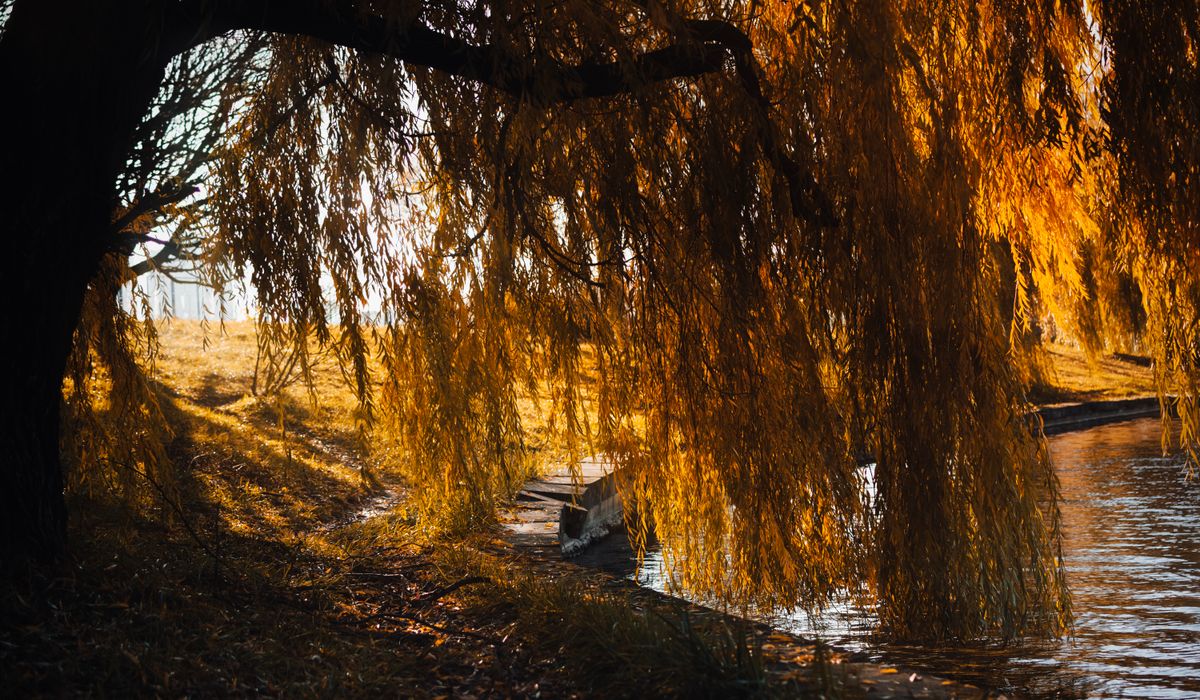
Kingfishers need two things from a riverbank: clear water for hunting and somewhere safe to sit. They favour slow-moving or gently flowing stretches where small fish, minnows and sticklebacks gather. A shaded bend is ideal. The overhanging alder, willow or hawthorn gives cover from above, while the water below stays dark enough for the bird to spot fish without glare.
Look for branches that lean out over the water, especially dead or bare ones with a clear drop to the surface. Kingfishers often use the same perch repeatedly, leaving a small white splatter of droppings beneath. If you see a favourite branch, note the direction it faces. Early morning sun on a cold day may push the bird into the open; harsh midday light usually sends it deeper into shade.
- Best spots: outside bends where water slows, pool tails below riffles, and the quiet edge beside a millrace or lock cut.
- Cover: overhanging trees, exposed roots, and steep earth banks with a tangle of branches above.
- Avoid: long straight reaches with no perches, bare concrete banks, and busy towpaths where footfall is constant.
Listen for the Sharp, High-Pitched Call
Before you see a kingfisher, you will often hear it. The call is a piercing, high-pitched whistle, usually written as a sharp "tseee" or "cheee". It carries a long way over water and is often given in flight, as the bird zips past or turns a bend. It can sound almost like a bicycle brake heard from a distance, or a high-pitched squeak repeated once or twice.
Train your ear for it. A single note is enough. When you hear it, stop moving. Look low over the water, not up in the trees. The bird is probably already passing, but it may land on a perch nearby. If the call is repeated, it is likely a pair or a bird moving between fishing spots. Staying put can bring it back within a minute or two.
Fieldcraft: Sit Still, Stay Low, and Let the River Settle
Kingfishers have excellent eyesight and are quick to react to movement. The single best thing you can do is sit down. Choose a bank with a clear view of a shaded bend, tuck yourself against a tree or a hedge, and keep your outline broken. Wear dull colours—greens, browns, greys—and avoid bright whites and blues. A hat helps, but not a shiny one.
Move slowly and quietly. If you must reposition, do it while the bird is underwater or already flying away. Binoculars are useful, but a monocular or a small scope can be easier to hold steady from a sitting position. Keep your phone silent and your screen dim. The river will settle around you within ten or fifteen minutes: moorhens, mallards and grey wagtails will resume their business.
Timing, Seasons and Nesting Banks
Kingfishers are present all year, but your chances vary with the season. In cold snaps they must feed hard, often fishing throughout the day. In spring they are busy with nesting, and a quiet earth bank near water may hide a tunnel nest. In summer, juveniles can be less wary and may sit out in the open. Autumn is excellent: the banks are quiet, leaves are thinning, and the bird's blue back catches the low sun.
- Best time of day: first light to mid-morning, and again in the last hour before dusk.
- Best weather: calm, dry days after rain, when the water has some clarity but the banks are not crowded.
- Nesting season: March to July. Watch from a distance and never approach a nest tunnel.
Lakes and canals can be just as good as rivers. On a still lake, kingfishers often patrol the sheltered edge where reeds meet open water. On a canal, they use the lock gates, mooring posts and overhanging bushes. The same rules apply: find a shaded corner, sit still, and listen.
What to Take and How to Watch Without Disturbing
Keep your kit simple. Binoculars of 8x42 or 10x42 are ideal for woodland and waterside use. A notebook helps you record perches and call times, which builds a picture of local routines. Warm layers matter more than fancy gear; a kingfisher will not wait while you shiver and fidget.
Above all, give the bird space. Do not use recordings to lure it closer, and do not walk along the bank looking for a better angle. The best sightings come to those who arrive early, choose a quiet shaded bend, sit still, and let the sharp whistle announce the flash of blue before it appears.
tag: Wildlife

Alistair Finch Author
Look for pubs with grassy banks, shaded tables and easy river access so families and walkers can relax over a simple ploughman's lunch.
YOU MAY ALSO LIKE
Best Waterside Pub Gardens for a Summer Lunch
Sep 5
10Discover how canals and rivers once carried coal, timber and grain, shaping towns, locks and wharves across the countryside.
read more
A Short History of Britain's Working Waterways
Sep 3
10Keep spare clothes, phone, snacks and first-aid supplies dry by rolling and clipping your bag before you launch on open water.
read moreRiver Walks
-

ERRIC CATONA
Approach locks slowly, close gates fully and watch for instructions from lock keepers or experienced crews before opening paddles.
May 19, 2016 at 5.12 pm
Reply
ERRIC CATONA
Check water quality, temperature and currents, never swim alone, and enter gradually to reduce the risk of cold-water shock.
May 19, 2016 at 5.12 pm
Reply -
ERRIC CATONA
Learn to tell damselflies from dragonflies by watching wing position, flight pattern and the habitats they patrol in summer.
May 19, 2016 at 5.12 pm
Reply
Wildlife
Your email address will not be published.