
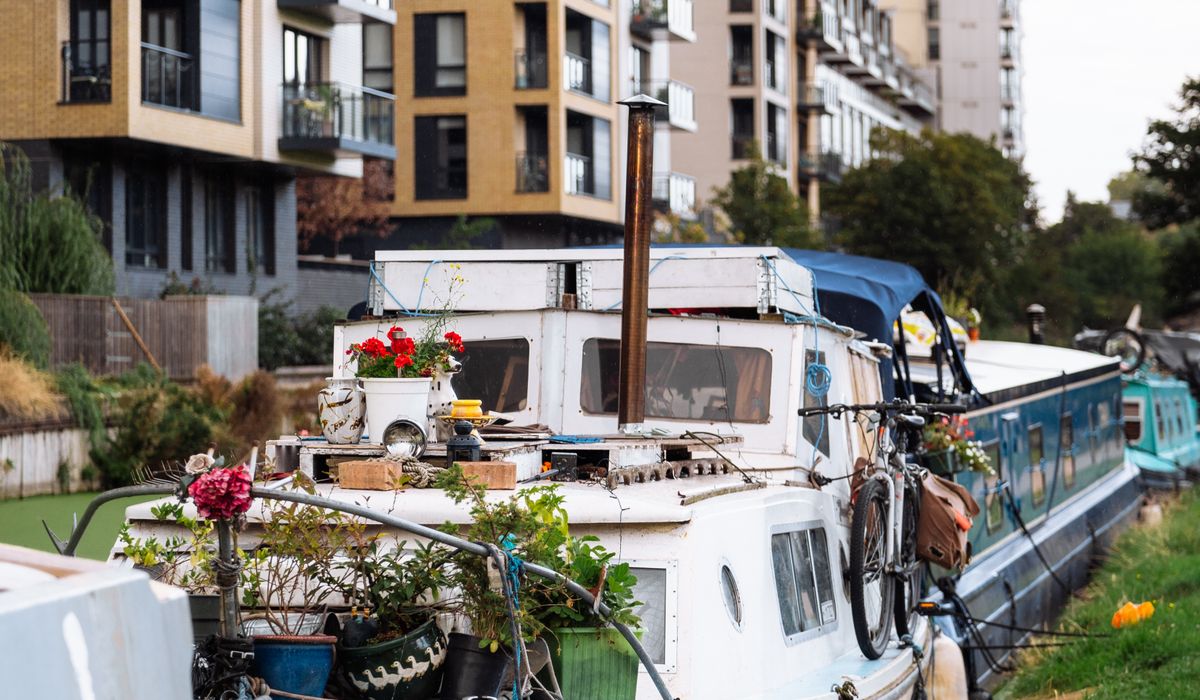
Canoe Camping on Quiet Inland Waterways
Why quiet waterways suit a slow adventure
There is a particular kind of holiday that begins a few feet from a hedge, on a stretch of canal or a backwater of a navigable river, where the only sound is the drip of your paddle and the occasional clatter of a mooring chain. Canoe camping on inland waterways is gentler than a coastal expedition and far more forgiving than most people expect. You can carry proper kit — a tent, a stove, a decent sleeping bag — because the boat does the work, and you are rarely more than a few miles from a village, a lock or a road.
The appeal is the pace. On a canal you might average two to three miles an hour; on a slow river with a bit of current, four. That is slow enough to notice kingfishers, herons and the smell of somebody else's bacon sandwich drifting across the towpath. It is also slow enough that an ambitious itinerary will ruin the trip. Plan for less, not more.
Plan short daily distances
For most paddlers, six to ten miles a day is a comfortable target. With young children or a heavily laden boat, four to six miles is plenty. Remember that paddling time is only part of the day: loading, launching, portaging, lunch, and finding your landing add an hour or two before you have even pitched the tent.
- Count obstacles, not just miles. A flight of locks can add an hour of trundling a loaded boat around on a trolley.
- Portage early. If a lock, weir or low bridge is going to be awkward, deal with it before you are tired and hungry.
- Work with the current, not against it. On a river with any flow, an out-and-back route is rarely a good idea. Arrange a shuttle instead, or plan a loop using a canal and its river.
- Build in a rest day. A day spent reading beside the boat is often the best day of the trip.
Sort out permits before you launch
Access in Britain is patchy, and quiet waterways are exactly where the rules vary. Many navigations require a licence or a short-term paddling permit, sold by the day, week or year through the relevant navigation authority. Some rivers are free to paddle; others are governed by voluntary access agreements with angling clubs, which may restrict certain months or stretches.
- Check the licence position for every waterway on your route, including short connecting cuts.
- Ask about seasonal restrictions. Some agreements close stretches during the fishing season or the spawning period.
- Look out for maintenance closures on canals, and note whether portage around a closed section is possible.
- Be clear on tidal reaches. Tidal sections, estuarine mouths and some broads need extra planning, tide tables and, in places, additional permission.
It is also worth telling someone ashore where you are going and when you expect to arrive. Mobile signal on quiet inland waterways can be excellent one mile and non-existent the next.
Choose official campsites and moorings with overnight canoe access
Wild camping is not a general right in England and Wales, and even where access rights are broader, they do not usually extend to mooring a boat and sleeping on the bank. The reliable answer is official campsites, certificated sites, farm sites and pubs with a paddock, many of which sit conveniently close to a bridge or lock.
- Ask three questions when booking: can I land and launch from the site, can I leave the boat in the water or must it come out, and is there somewhere safe to leave a car or trailer?
- Do not assume a mooring allows camping. Short-stay visitor moorings are usually for the boat, not the person, and pitching a tent on the towpath is rarely permitted.
- Marinas and boatyards sometimes allow a night's camping on site for a modest fee, particularly if you ask in advance and arrive tidily.
- Riverside pubs and farm campsites are the quiet hero of this kind of trip. A hot meal, a tap and a flat piece of grass can transform a day.
Pack light and trim the boat
A well-loaded canoe feels stable and predictable. A badly loaded one feels like a shopping trolley in a wind. Keep heavy items low and near the centre, and secure everything so it cannot shift if you have to lean or brace.
- Use dry bags for everything soft, and clip them to the boat with a short line.
- Carry a spare paddle, a bailer or pump, and a throwline where appropriate.
- Take a lightweight trolley if your route includes locks or a long portage.
- Two small water containers are easier to stow than one large one, and refills are usually available at locks, pubs and village taps.
Weather, water and courtesy on the water
Wind is the enemy on open water, so check the forecast and the wind direction before committing to a long, exposed leg. Rain raises river levels quickly, turning a gentle stream into something pushy, and weirs that looked harmless in the morning can become genuinely dangerous by afternoon.
On the water, slow down well before moored boats, anglers and other paddlers, and pass fishing lines wide and quietly. Give way to craft that cannot manoeuvre easily, and keep clear of lock gates and weir booms. At the end of the day, use proper disposal points for rubbish and chemical waste, and leave the bank exactly as you found it — which, on a quiet waterway, is usually tidy, green and entirely yours for the evening.
tag: Paddling

Emily Hart Author
Protect lenses from spray and sudden showers with a padded dry bag, desiccant sachets and a quick-access shoulder strap.
YOU MAY ALSO LIKE
Choosing a Waterproof Camera Bag for River Trips
Aug 2
10Expect locally caught fish, hearty pies and seasonal salads, often paired with real ale and views across the water.
read more
Traditional Foods Served in Riverside Pubs
Jul 31
10Join organised litter picks and habitat surveys that improve safety for wildlife and make footpaths more pleasant for everyone.
read moreRiver Walks
-

ERRIC CATONA
Check wind speed, gust limits and rain probability, then adjust your route or postpone if conditions look unsuitable for your craft.
May 19, 2016 at 5.12 pm
Reply
ERRIC CATONA
Look for waterproof uppers, deep tread and ankle support to stay comfortable on uneven, slippery canal-side paths in wet weather.
May 19, 2016 at 5.12 pm
Reply -
ERRIC CATONA
Buy the correct rod licence, check closed seasons and follow club bylaws before casting on rivers, canals or stillwaters.
May 19, 2016 at 5.12 pm
Reply
Wildlife
Your email address will not be published.