
Safe River Walking Routes for Families in Britain
Pick a Stretch That Suits Short Legs and Little Wheels
Britain has thousands of miles of riverbank and lakeshore, but not every path is made for a family with a pushchair and a dawdling four-year-old. The best routes for young children are wide, relatively flat and have a firm surface. Canal towpaths often fit the bill, though you will need to watch for anglers, dog walkers and the occasional cyclist. Gentle riverside meadows can be lovely, but they turn muddy quickly after rain. Lakeside paths in country parks tend to be well maintained and have benches for snack stops.
Before you commit to a walk, look at the distance. A kilometre each way is plenty for a toddler; older children might manage three or four. Choose an out-and-back route rather than a circular one if you are unsure, so you can turn around at any point without getting lost. Always have a shorter option in mind for tired legs or a sudden change in the weather.
Read the Path Surface Before You Set Off
Path surfaces matter more than distance. A smooth tarmac path is easy for a pushchair or balance bike. Compacted gravel is usually fine, but loose stones can be slippery on slopes. Boardwalks are brilliant in wet woodland, but they can be narrow and have gaps at the edges. Grass paths are pleasant in dry weather, yet they hide tree roots, rabbit holes and dog mess. Mud is the enemy of a happy family walk: it sucks at wellies, makes buggies skid and turns a gentle stroll into a slog.
- Tarmac or concrete: best for pushchairs and wheelchairs.
- Compacted gravel: good for most buggies, but check for potholes.
- Boardwalk: often accessible, but can be slippery when wet.
- Grass or dirt: avoid after rain unless you are all in wellies and carrying a sling.
Local knowledge is gold. Ask at a nearby cafe or visitor centre, or check a recent online review that mentions the surface. If you can, walk the first hundred metres alone before bringing the children. Look for stiles, kissing gates and steps. A single stile can be a deal-breaker if you are on your own with a buggy and a toddler.
Check the Weather, Water Levels and Tides
British weather changes fast, and rivers respond even faster. A sunny morning at your starting point does not mean the river is safe: heavy rain upstream can raise water levels within hours. Check the forecast for the whole catchment, not just your postcode. If rain is forecast, postpone. Never walk a riverside path during or immediately after a storm. Flood water is dirty, fast and cold, and the bank may be undermined.
For tidal rivers, check tide times and heights. A path that is dry at low tide can be underwater an hour later. Estuary paths are particularly risky because the tide can come in faster than you can walk. Lakes are less tidal but can be windy, making waves that splash over a low path. Start early in the day, aim to finish before dusk, and carry waterproofs even if the sky looks kind. A small torch is useful in autumn and winter.
Plan Access Points, Parking and Facilities
Before you leave home, note exactly where you will park, where the nearest toilet is, and where you can escape the river if needed. A road bridge or a footbridge gives you a quick way off the bank. Tell someone your route and expected return time. Mobile signal can be patchy in valleys, so do not rely on your phone for emergencies.
- Parking: check charges, height barriers and opening times.
- Toilets: country parks and pubs are your friends, but pubs expect custom.
- Escape routes: identify at least two bridges or lanes leading away from the water.
- Kit: water, snacks, sun cream, insect repellent, plasters, spare socks, a towel and a fully charged phone.
Facilities make or break a family outing. A cafe with a loo and a slice of cake can turn a whingy walk into a treat. If there are no facilities, plan a picnic spot well back from the water’s edge. Benches are lovely, but sitting on a damp log is fine too.
Teach River Safety as You Walk
Children learn best when rules are simple and repeated. Before you set off, agree on boundaries. Stay at least two metres back from the edge unless you are holding an adult’s hand. Never run near the bank. Do not throw stones into deep water or near other people. If a toy or a dog goes in, do not follow it: call an adult.
- Walk, do not run, on slippery paths.
- Hold hands near weirs, sluices and locks.
- If you fall in, float on your back and shout for help.
- Keep dogs on a short lead around water and wildlife.
Point out life rings and explain what they are for. Show children how to call for help by shouting “help” and waving both arms. Cold water shock can affect even strong swimmers, so make sure they know that jumping in is never a game. With a bit of planning, a riverside stroll becomes a gentle adventure: safe, slow and full of ducks, dragonflies and muddy boots.
tag: River Walks

Emily Hart Author
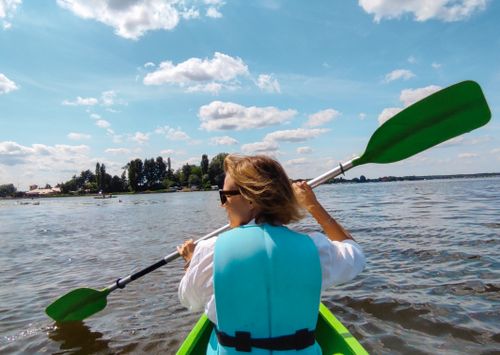
Identify currents, eddies, weirs and hidden obstacles by studying the water surface and banks before launching your kayak or canoe.
YOU MAY ALSO LIKE
How to Read a River Before You Paddle
Sep 21
10Match rod length, test curve and reel size to the stillwaters or slow rivers you plan to fish, then budget for line and hooks.
read more
Choosing a Beginner Coarse Fishing Rod Setup
Sep 16
10Learn how to share towpaths, avoid blocking winding holes and keep noise low when mooring beside other canal boats overnight.
read moreRiver Walks
-

ERRIC CATONA
Increase your chances of seeing a flash of blue by sitting still near shaded bends and listening for a sharp, high-pitched call.
May 19, 2016 at 5.12 pm
Reply
ERRIC CATONA
Look for pubs with grassy banks, shaded tables and easy river access so families and walkers can relax over a simple ploughman's lunch.
May 19, 2016 at 5.12 pm
Reply -
ERRIC CATONA
Discover how canals and rivers once carried coal, timber and grain, shaping towns, locks and wharves across the countryside.
May 19, 2016 at 5.12 pm
Reply
Wildlife
Your email address will not be published.