
Understanding Fishing Licences and Local Rules
Before You Even Tie a Hook
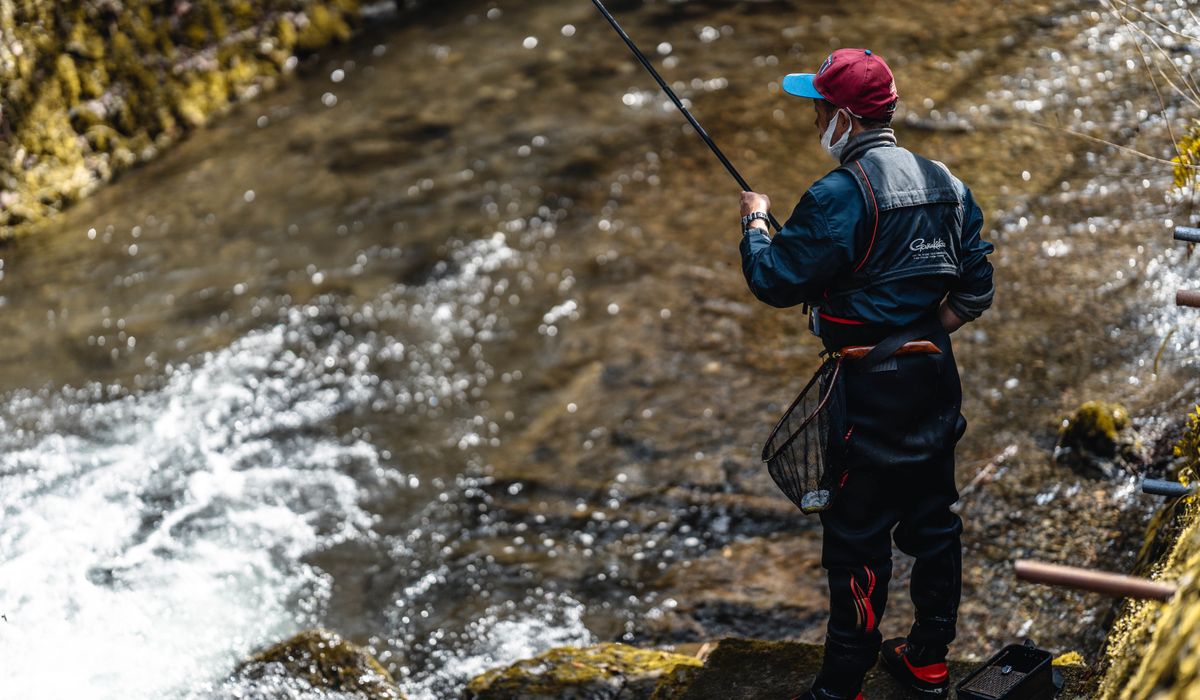
There is a particular kind of evening on a British riverbank that makes you forget the paperwork entirely. The light goes amber, a kingfisher skims past, and somewhere downstream something rolls. Then you remember the bit nobody puts on the postcard: the licence, the season dates, and the club rule about keepnets.
Living near water is a privilege, and in this country it comes with a fairly light but genuinely enforced set of obligations. None of them are difficult. They just need to be sorted before you cast, not after a bailiff appears behind you with a clipboard and a very patient expression.
Which Rod Licence You Actually Need
In England and Wales, anyone aged 13 or over must hold a rod licence to fish for freshwater fish with a rod and line. That includes canals, lakes, ponds and gravel pits, not just rivers, and it applies even if you only plan to fish for an hour. Children under 13 need no licence at all; those aged 13 to 16 need one but don't pay for it. Older anglers and those with a qualifying disability can usually claim a concession, though the discount does not apply to every licence type, so check before you buy.
There are two main categories, and this is where people trip up. A trout and coarse licence covers non-migratory freshwater fish: roach, perch, carp, pike, chub, barbel, brown trout and the rest. A salmon and sea trout licence is a separate, pricier document, and you need it on any water where migratory fish are present, even if you are actually fishing for something else. Both come as one-day, eight-day or annual versions, and a single licence covers England and Wales, with a quirk or two around the Border Esk.
Scotland is different: there is no rod licence for freshwater fishing, but you still need permission from whoever holds the fishing rights, and salmon fishing requires a proper permit. Never assume a licence alone gives you the right to fish anywhere. It permits the method; it does not grant access to the water.
The Close Season and Why Dates Matter
The close season is the single most misunderstood rule in British angling, partly because it differs between rivers and stillwaters. On rivers in England, the statutory close season for coarse fish runs from 15 March to 15 June inclusive. Canals and stillwaters are treated differently, and there has been no statutory close season on most stillwaters for decades, though plenty of clubs and fisheries keep a voluntary one out of good sense.
Wales has its own byelaws and a slightly different picture on some waters, so check the current position rather than trusting a half-remembered conversation in a tackle shop. Salmon and sea trout seasons vary enormously from river to river, with some opening in the depths of winter and others running much later into the year. Brown trout on rivers commonly close in late September or early October and reopen in March. Many stillwaters are open twelve months a year.
If you are unsure, the honest answer is always the same: read the byelaws for the specific water, in the current year. Seasons change, and so do local variations.
Club Rules, Bylaws and the Noticeboard
National rules are only the outer layer. Below them sit regional byelaws and, below those, the rules of whoever controls the fishing. This is where a little reading saves a lot of embarrassment.
- Access and tickets. Some stretches are free and open; others need a day ticket, a season permit, or membership of a club with a waiting list. A rod licence does not give you the right to be there.
- Rod limits. Many clubs allow two rods by day but restrict night fishing to one, and some prohibit night fishing entirely.
- Bait restrictions. Bans on livebaits, nuts, boilies or groundbait are common, often for fish welfare rather than fussiness.
- Keepnets and mats. Unhooking mats are compulsory on most carp waters, and knotless landing nets are increasingly required. Keepnets may be banned outright or allowed only in matches.
- Guests, dogs and boats. Assume none are welcome unless the rules say so, and never assume a dog may roam the bank during nesting season.
- Catch returns. If your club asks for them, submit them. They are how fisheries argue for funding and protect stocks.
The same practical logic applies to parking, gates and livestock. Close the gate, park where you are told, and leave nothing behind.
Handling Fish Well, and Being Welcome
Etiquette travels further than paperwork. Wet your hands before touching a fish, keep it in the water while you unhook it, and use a mat if it has to come out for a photograph. Support the body, never lift by the line, and return fish quickly, especially in warm weather when oxygen levels drop. Barbless or micro-barbed hooks make unhooking faster and kinder, and many waters now require them.
Take your litter home, including line offcuts that strangle birds and tangle swans. Give other anglers a wide berth, keep quiet in the swim, and never walk through someone's baited area to reach a likely-looking spot. A little courtesy buys you a great deal of goodwill on a small river.
Check Before You Go
The routine takes ten minutes. Confirm your licence is valid for the water and species you intend to fish. Check the close season and any byelaws for that specific stretch. Read the club rules, if there are any, and know where your ticket is. Look at the weather and the river level; a rising river is not the day to discover your access route floods.
Do that, and the rest is yours: the long evening, the quiet heron, the float sliding away. The rules exist so that the next generation gets the same river you did, and following them is a small price for a lifetime of bankside mornings.
tag: Angling

Priya Nair Author
Explore the remains of watermills, sluices and weirs that once powered rural industries and shaped the flow of local rivers.
YOU MAY ALSO LIKE
Historic Mills and Weirs on British Rivers
Jul 9
10Choose calm lakes or gentle canal stretches with nearby parking, toilets and launch points suitable for beginners and young paddlers.
read more
Family-Friendly Paddling Spots with Easy Access
Jul 3
10Find a towpath pub with outdoor seating, real ale and a relaxed atmosphere where walkers and boaters can rest awhile.
read moreRiver Walks
-

ERRIC CATONA
Plan a gentle riverside stroll with children by checking path surfaces, weather forecasts, access points and nearby facilities before setting out.
May 19, 2016 at 5.12 pm
Reply
ERRIC CATONA
Identify currents, eddies, weirs and hidden obstacles by studying the water surface and banks before launching your kayak or canoe.
May 19, 2016 at 5.12 pm
Reply -
ERRIC CATONA
Match rod length, test curve and reel size to the stillwaters or slow rivers you plan to fish, then budget for line and hooks.
May 19, 2016 at 5.12 pm
Reply
Wildlife
Your email address will not be published.