
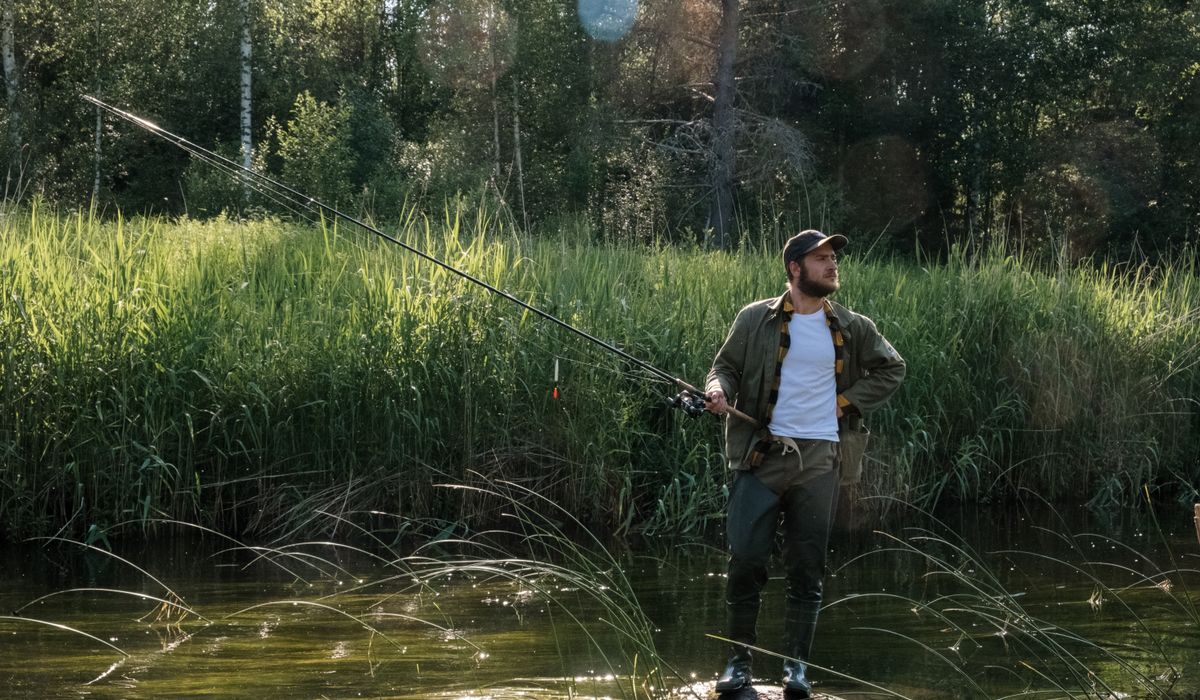
Historic Mills and Weirs on British Rivers
Reading a river's working past
Walk almost any British river with a decent fall of water and you will find evidence that it once did far more than look pretty. A sudden drop in the water level, a straight channel cutting across a meadow, a wall of mossy stone with a notch in the top, a hollow in the bank where a channel once ran — these are the fingerprints of water power. Before steam and electricity, a river was a source of motive force, and the weirs, leats and mill buildings along its length were the machinery of rural industry.
Learning to read those remains changes a riverside walk completely. What looks like a random lump of brickwork is usually the tail end of a carefully engineered system, built and rebuilt over three or four centuries.
The anatomy of a mill site
A working watermill was never just a building with a wheel. It was a small piece of hydraulic engineering, and the parts are still recognisable once you know the vocabulary.
- Weir or staunch — raises the head of water and diverts it into the mill channel. On the flat rivers of the Midlands and the Fens, a staunch or flash lock could be opened to let boats through.
- Leat, goit or cut — the artificial channel carrying water to the wheel. The name varies by region: goit in Yorkshire and Lancashire, leat in the West Country, cut in East Anglia.
- Millpond — storage, so the mill could keep running when the river was low.
- Sluice or penstock — the gate controlling flow. Look for the stone slots, or "races", cut into the side walls; the gate itself has usually rotted away.
- Wheel pit and tailrace — where the wheel turned and the spent water rejoined the river downstream.
- Millstones — often reused as paving, gateposts or step edging. French burr stones, quarried near Paris, were prized for white flour; Peak District gritstone was used for grinding animal feed.
Wheels, trades and the noise of work
The type of wheel tells you about the site's head of water rather than its wealth. Overshot wheels, fed from above, are the most efficient and need a good fall — common in hilly country. Breastshot wheels take water at mid-height and were a sensible compromise on medium falls. Undershot wheels simply dip into the current and suit slow, lowland rivers. Later sites often replaced the wheel with a turbine, quietly and efficiently doing the same job.
What was being made is often visible in the buildings or the place name. Corn mills are the most common, with their sack hoists, grain bins and dusty staircases. Fulling mills, which thickened woollen cloth, gave us tenter fields and the phrase "on tenterhooks". Paper mills need clean water and left long drying sheds. Flint mills, needle mills, sawmills, bark mills for tanning and, in a few quiet valleys, gunpowder mills with their blast mounds and lightly built roofs designed to give way in an explosion.
Weirs and the modern river
The weirs that once fed those wheels still hold back water, and that has consequences. A weir slows the current, traps silt, warms the water and blocks the passage of migratory fish. Salmon, sea trout and eels all travelled these rivers long before anyone built a mill, and a weir is a wall to them.
Most modern river management is about softening that legacy. Look out for fish passes — a series of stepped pools, a rock ramp or a bypass channel around the weir — and eel passes, often a bristly brush fixed into a notch so elvers can wriggle up. Some weirs are lowered or removed entirely, restoring a natural riffle and pool sequence. Others are kept for their heritage value, their role in holding a head for abstraction, or simply because they are loved locally. In practice, a weir that has stood for two hundred years is usually retained with a pass rather than demolished.
Living beside a mill or weir
Old mill buildings are wonderful places to live, but they ask a few things of you.
- Flood risk. Mills sit low by definition. Check the flood map carefully, ask about historic flood levels, and expect insurance to need a specialist broker.
- Consents. Many mill buildings are listed, and weirs, sluices and leats are often scheduled monuments. Repairs usually need consent from your local planning authority before work starts, including repointing and replacing timber.
- Riparian duties. If you own land with a watercourse, you are responsible for keeping it clear of obstruction, maintaining banks and not causing pollution. Abstraction and impoundment generally need a licence from the environmental regulator.
- Maintenance. Sluice gates seize, leats silt up and masonry erodes at the waterline. Budget for it, and never work alone on a weir structure.
- Water rights and fishing. These are separate from land ownership and are frequently not what a buyer assumes. Have them checked properly.
The rewards are considerable. The sound of water over a weir is a constant, and the wildlife that gathers in the calmer water above it — kingfishers, grey wagtails, herons, the occasional otter — is a daily pleasure.
What to look for on your next walk
Take a slow stroll along any mill stream and watch for the clues: a straight channel running parallel to the river, stone-lined and dry; a sudden step in the water level; a wall with vertical slots and no gate; a scatter of round stones in a garden; a terrace of cottages named after a trade. Piece them together and you can reconstruct the working river as it was — and understand why the water still moves the way it does today.
tag: Local History

Alistair Finch Author
Choose calm lakes or gentle canal stretches with nearby parking, toilets and launch points suitable for beginners and young paddlers.
YOU MAY ALSO LIKE
Family-Friendly Paddling Spots with Easy Access
Jul 3
10Find a towpath pub with outdoor seating, real ale and a relaxed atmosphere where walkers and boaters can rest awhile.
read more
Enjoying a Quiet Pint Beside the Canal
Jun 27
10Plan a gentle riverside stroll with children by checking path surfaces, weather forecasts, access points and nearby facilities before setting out.
read moreRiver Walks
-

ERRIC CATONA
Identify currents, eddies, weirs and hidden obstacles by studying the water surface and banks before launching your kayak or canoe.
May 19, 2016 at 5.12 pm
Reply
ERRIC CATONA
Match rod length, test curve and reel size to the stillwaters or slow rivers you plan to fish, then budget for line and hooks.
May 19, 2016 at 5.12 pm
Reply -
ERRIC CATONA
Learn how to share towpaths, avoid blocking winding holes and keep noise low when mooring beside other canal boats overnight.
May 19, 2016 at 5.12 pm
Reply
Wildlife
Your email address will not be published.