
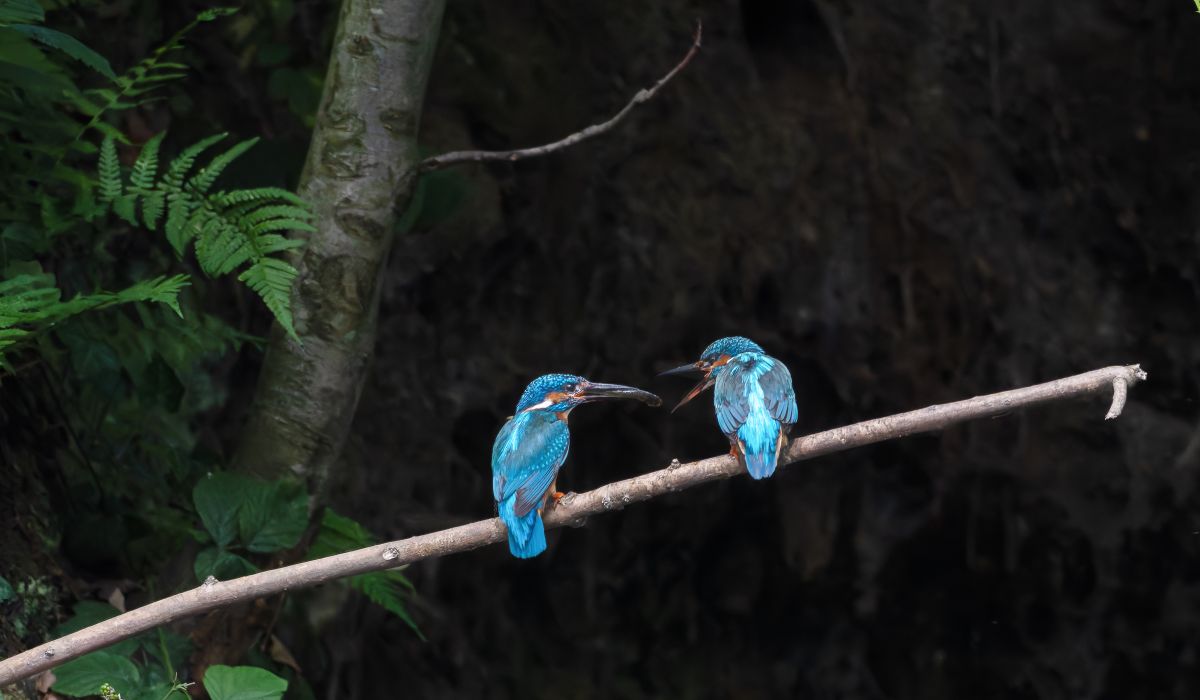
Volunteering to Clean Up Local Riverbanks
Why a Stretch of Riverbank Rewards a Couple of Hours
Britain's rivers and lakes are astonishingly generous. A single morning beside the water can give you kingfishers, herons, the plop of a water vole and the particular calm that only moving water provides. But our waterways also collect what the rest of the landscape sends downstream: plastic bottles, wet wipes, coffee cups, carrier bags, tangled fishing line and the occasional shopping trolley. All of it sits in exactly the places where wildlife feeds, nests and raises young.
The good news is that the fix is remarkably low-tech. A pair of gloves, a litter picker and a couple of hours with other people will visibly transform a hundred metres of bank. And once you have cleared the rubbish, the same volunteers often move on to the quieter, more absorbing work of surveying what actually lives there.
What a Litter Pick Actually Looks Like
Most organised picks run for two hours, usually on a weekend morning, and begin with a briefing: where the group will work, where the access points are, and what to do with anything unusual. You will normally be lent a litter picker, gloves, bags and a hoop or ring to hold the bag open. Expect to work in pairs along a defined stretch, leaving filled bags at a marked collection point rather than carrying them half a mile.
- Bring: sturdy boots or wellingtons, long trousers, waterproofs, a refillable water bottle and a snack.
- Leave behind: flip-flops, shorts and anything you would mourn if it met river mud.
- Remember: much of what you collect is light but bulky — crisp packets, polystyrene fragments, drinks cans. Volume matters more than weight.
The satisfying bit is the sheer speed of the change. A good group can clear a genuinely grim stretch of towpath in an afternoon, and the difference to how people use the path — dog walkers, families, cyclists, anglers — is immediate.
Habitat Surveys: The Gentler Side of Volunteering
Litter picks make an obvious difference. Surveys make a subtler one, because you cannot protect what nobody has counted. These sessions are slower, often involve kneeling over a tray of river gravel, and tend to suit people who like notebooks and identification keys.
- Riverfly monitoring: sampling mayfly, caddisfly and stonefly larvae, which are sensitive to pollution and act as a living early-warning system for a stretch of river.
- Invasive species recording: mapping Himalayan balsam, Japanese knotweed or signal crayfish so that control work can be targeted.
- Mammal and bird counts: looking for water vole burrows, otter spraint, bat activity at dusk, or nesting swans and moorhens along a lake edge.
- Footpath and access audits: noting broken stiles, eroded steps, blocked culverts and overgrown sightlines that make paths unsafe or unusable.
The data you gather is genuinely used. Repeated records from the same spot build a picture that no single visit could, and a run of poor riverfly scores can trigger a real investigation upstream.
Finding a Group and Getting Started
You do not need to found anything. Most of the structure already exists, and the easiest route in is to ask at the place you already walk. Parish councils, canal societies, rivers trusts, wildlife trusts, friends-of groups for local parks and nature reserves, angling clubs and university conservation societies all run work parties, and many are short of hands rather than enthusiasm.
Look for notices on towpath boards, posts in local community groups, or a stall at a village fete. When you make contact, ask three useful questions: what should I wear, do I need my own gloves, and is there anywhere to park. Mention any relevant skills — you may be surprised how welcome a van driver, a first-aider or someone with a shed full of tools is.
Staying Safe Beside Moving Water
Riverbanks are working environments, not parks, and a little caution keeps everyone coming back. Organisers will cover this in the briefing, but the essentials bear repeating.
- Never enter the water unless the session is specifically set up for wading, with throw lines and trained leaders.
- Treat sharps with respect. Do not pick up needles, glass shards or unknown containers by hand — point them out and let the organiser use a proper container.
- Wash your hands before eating or drinking, cover any cuts with a waterproof plaster, and be aware of leptospirosis, which is rare but serious and worth knowing the early symptoms of.
- Watch the weather and the tide. Levels can rise fast after rain upstream, and some estuaries flood low paths unexpectedly.
- Work with a partner near steep, slippery or undercut banks, and tell someone where you are going.
The Ripple Effect on Your Local Patch
Volunteering changes how you see a river. You start noticing where a tributary carries rubbish in, which bend gathers plastic, and which stretch of bank is worth defending. That knowledge is quietly powerful — it makes you the person who can say, with evidence, that a path needs a handrail or that a drain is discharging something it should not.
It also changes how you use the place. Litter picks and surveys build a small, cheerful community of people who know each other by first name and share a flask of tea at the end. The wildlife benefits, the footpaths improve, and you gain a stretch of water you can honestly call your own. Start with one morning. Bring gloves. The river will do the rest.
tag: Wildlife

James Whitcombe Author
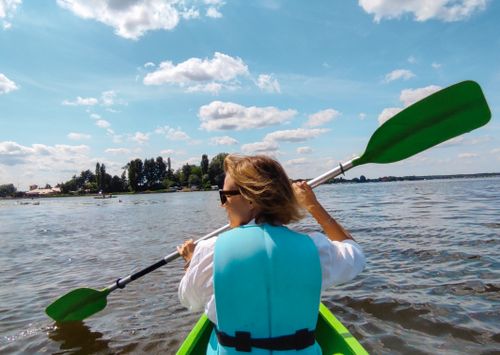
Check wind speed, gust limits and rain probability, then adjust your route or postpone if conditions look unsuitable for your craft.
YOU MAY ALSO LIKE
Reading Weather Forecasts Before a Boating Trip
Jul 24
10Look for waterproof uppers, deep tread and ankle support to stay comfortable on uneven, slippery canal-side paths in wet weather.
read more
Choosing Walking Boots for Muddy Towpaths
Jul 18
10Buy the correct rod licence, check closed seasons and follow club bylaws before casting on rivers, canals or stillwaters.
read moreRiver Walks
-

ERRIC CATONA
Explore the remains of watermills, sluices and weirs that once powered rural industries and shaped the flow of local rivers.
May 19, 2016 at 5.12 pm
Reply
ERRIC CATONA
Choose calm lakes or gentle canal stretches with nearby parking, toilets and launch points suitable for beginners and young paddlers.
May 19, 2016 at 5.12 pm
Reply -
ERRIC CATONA
Find a towpath pub with outdoor seating, real ale and a relaxed atmosphere where walkers and boaters can rest awhile.
May 19, 2016 at 5.12 pm
Reply
Wildlife
Your email address will not be published.