
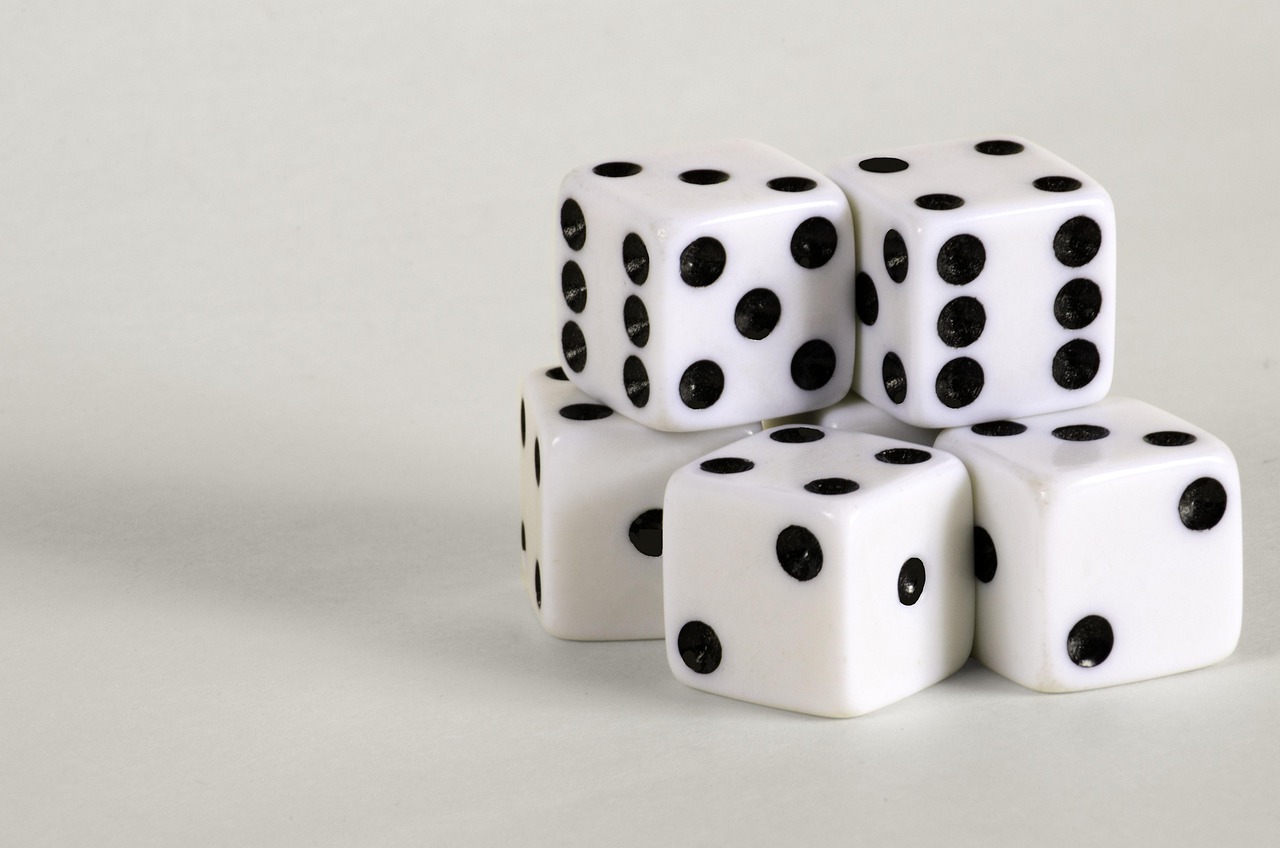
Slot Volatility Explained: Why Bonus Size Doesn't Matter
Two players sit down at the same online casino, both deposit $50, both spin the same game. One walks away with $300. The other burns through the entire balance in eleven minutes without a single bonus round. Was it skill? Luck? Partly. But if you dig into the math, the more interesting answer is volatility — and most players never bother to understand it before they hit spin.
This isn't another "top 10 slots to play" list. Understanding volatility is the single most practical piece of knowledge you can carry from game to game, because it changes how you budget, how long you're likely to survive a session, and whether a slot actually suits your bankroll. Let's break it down properly.
What Volatility Actually Means (Not the Marketing Version)
Every slot has a house edge baked into its return-to-player (RTP) percentage — usually somewhere between 94% and 97%. That number tells you the long-run average payout, but it says nothing about how the money comes back to you. Volatility (also called variance) describes the distribution of those payouts.
Low volatility games pay small amounts frequently. You'll rarely go more than a dozen spins without some kind of return, but the ceiling is low. High volatility games are the opposite: long droughts, then sudden explosions. You might go 200 spins with nothing above your stake, then hit a 500x multiplier.
Here's the part that trips people up. A high-volatility slot with a 96% RTP and a low-volatility slot with a 96% RTP are not equivalent experiences, even though lazy articles treat them as such. The RTP is identical. The ride is completely different, and that's what determines whether your bankroll survives the night.
The Bankroll Math That Most Players Ignore
Let's use a concrete example. You deposit $100. You're playing a slot at $1 per spin.
- On a low-volatility game, expect roughly 70-75% of spins to return something. Your balance erodes slowly, and you might get 400-600 spins out of that $100.
- On a high-volatility game, dead spins can run 80% or higher in clusters. You could be wiped out in 150 spins, or you could trip a bonus worth $400 on spin 90.
The practical rule seasoned players use: divide your bankroll by at least 200 to get your maximum bet size for high-volatility slots, and by about 100 for low-volatility ones. If you deposit $100, your high-volatility bet shouldn't exceed $0.50. It's not glamorous, but it's how you avoid the eleven-minute wipeout.
How to Read Volatility Before You Spend a Cent
Casinos don't always scream the volatility rating from the lobby, but it's rarely hidden. Here's where to look:
- The game info screen. Most modern slots (NetEnt, Push Gaming, Nolimit City, Hacksaw) list volatility as a 1-5 rating or a low/medium/high label alongside the RTP.
- Max win values. A slot advertising a 50,000x maximum win is almost certainly extreme volatility. A 500x max win suggests low or medium. The two numbers move together.
- Hit frequency. Some developers publish the percentage of spins that produce a win. Below 20% signals high volatility. Above 30% is on the generous side.
- Bonus buy availability. If a game offers a 100x buy-in for free spins, the base game is likely brutal by design — the math has been balanced to favor the feature.
Spend thirty seconds checking these before you play. It's the difference between a session that feels reasonable and one that feels rigged, even when neither is true. Further details are available through สล็อตเว็บตรง.
Volatility Across Different iGaming Verticals
Slots aren't the only place variance matters, and the concept transfers neatly.
Poker
No-limit Texas Hold'em cash games have lower variance than tournaments. A tournament player might endure 20 buy-ins of pure bad beats before a final table; a cash game grinder feels swings in smaller, more manageable increments. If you're learning, cash games are the lower-volatility classroom.
Sports Betting
A single accumulator with ten legs is high volatility. Ten separate singles at the same total stake is lower volatility, even if the expected value is identical. Bookmakers know recreational bettors chase the big multiplier — that's why same-game parlays are pushed so aggressively in-app.
Blackjack and Table Games
Basic-strategy blackjack has remarkably low volatility thanks to frequent 1:1 wins, though side bets and Perfect Pairs crank it up dramatically. If you enjoy blackjack but want a smoother grind, skip the side bets entirely.
Matching Volatility to Your Personality (The Underrated Step)
Most guides skip this, but it's arguably the most important piece. If losing five spins in a row makes you twitchy, high-volatility slots will psychologically destroy you long before they financially do. And tilt — chasing losses with bigger bets — is where real damage happens.
Some honest questions to ask yourself:
- Do I want a long session with modest swings, or a short shot at a big multiplier?
- Does a 40-spin dead streak ruin my mood? If yes, stay under medium volatility.
- Am I playing for entertainment over hours, or hoping to flip a small deposit into something large?
There's no wrong answer here. Some players genuinely love grinding 600 spins on a low-variance classic like Blood Suckers. Others want the adrenaline of Money Train 4. Both are valid — as long as you pick deliberately rather than by accident.
The One Takeaway Worth Remembering
Big bonuses and eye-catching max wins are marketing magnets. They're designed to pull you toward extreme volatility, which is profitable for the operator because most players blow their bankroll before the rare payout lands. None of this makes high-volatility slots bad — it just means you need to respect what you're signing up for.
Pick games that match your bankroll, your tolerance for dry spells, and the kind of entertainment you actually want. That's a smarter play than chasing a jackpot screenshot you saw on social media. The math doesn't care about your feelings, but you can absolutely use it to your advantage — one honest volatility check at a time.
tag: iGaming

Emily Hart Author
Identify currents, eddies, weirs and hidden obstacles by studying the water surface and banks before launching your kayak or canoe.
YOU MAY ALSO LIKE
How to Read a River Before You Paddle
Sep 21
10Match rod length, test curve and reel size to the stillwaters or slow rivers you plan to fish, then budget for line and hooks.
read more
Choosing a Beginner Coarse Fishing Rod Setup
Sep 16
10Learn how to share towpaths, avoid blocking winding holes and keep noise low when mooring beside other canal boats overnight.
read moreRiver Walks
-

ERRIC CATONA
Increase your chances of seeing a flash of blue by sitting still near shaded bends and listening for a sharp, high-pitched call.
May 19, 2016 at 5.12 pm
Reply
ERRIC CATONA
Look for pubs with grassy banks, shaded tables and easy river access so families and walkers can relax over a simple ploughman's lunch.
May 19, 2016 at 5.12 pm
Reply -
ERRIC CATONA
Discover how canals and rivers once carried coal, timber and grain, shaping towns, locks and wharves across the countryside.
May 19, 2016 at 5.12 pm
Reply
Wildlife
Your email address will not be published.